Britain's Neuro Talk Today
Britain's Neuro Talk Today is a weekly podcast where you discover and explore new innovations, research, and news about anything neuro related. Each podcast focuses on a recent article and Britain summarizes the article with a talk about general neuro innovations.
Play Latest EpisodeNew to Britain's Neuro Talk Today?
Latest Episodes By Britain
3
March 1, 2026
Two New Breakthroughs Advance Neurological Disorders and Cancer Research
UC San Francisco researchers Daniele Canzio and Balyn Zaro have been named the 2026 Bowes Biomedical Investigator awardees for their separate breakthroughs in neurological and cancer research. Canzio’s team discovered that DNA can fold into billions of unique, origami-like patterns to create individual "barcodes" for neurons, a finding that could lead to new treatments for disorders like autism and Alzheimer’s. Meanwhile, Zaro’s work identified how cancer cells manipulate immune cells to promote
2
Feb. 25, 2026
Decoding Parkinson’s Patients’ Movements in the Real World
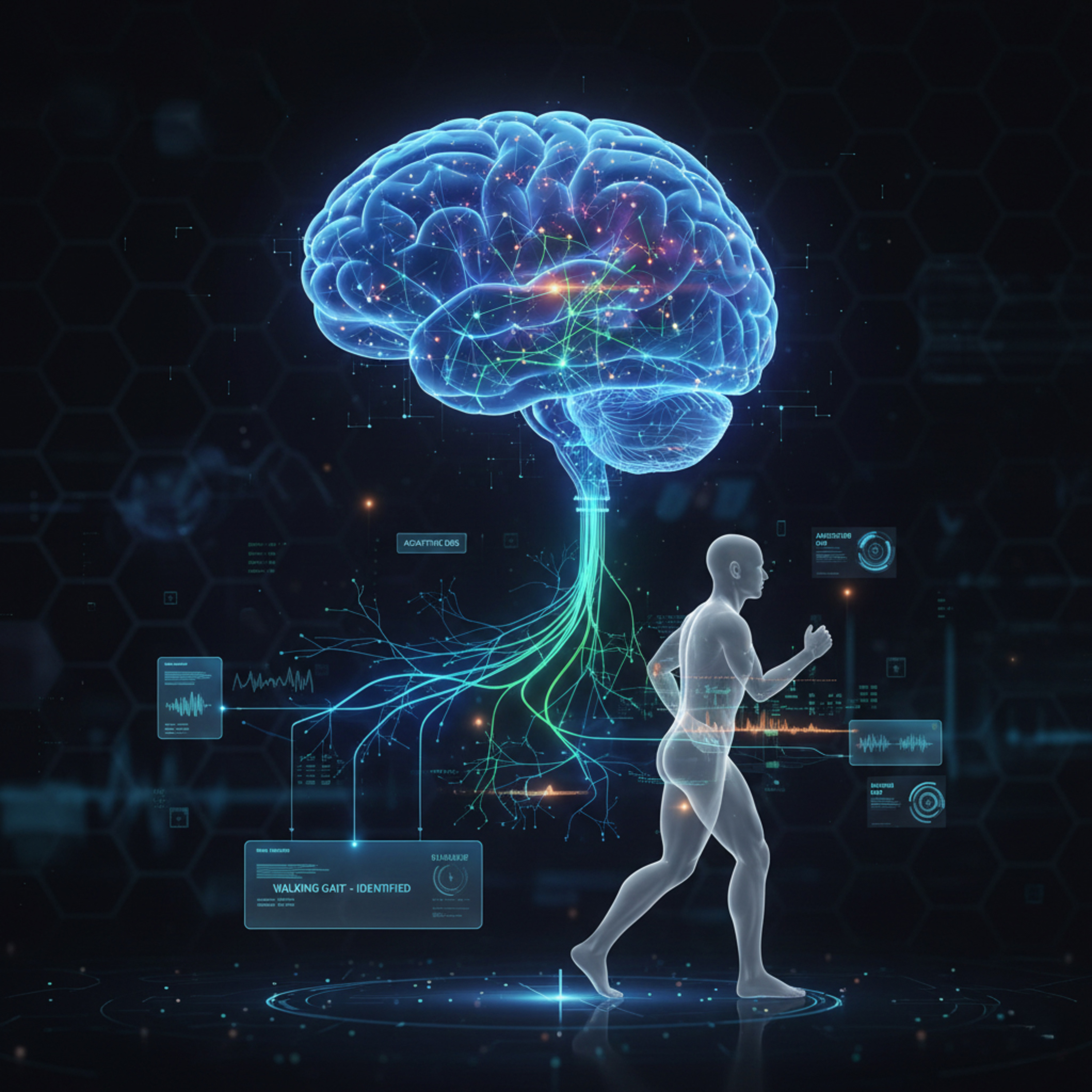
Researchers at UC San Francisco have successfully used fully implanted devices to record and identify the unique brain activity patterns associated with walking in Parkinson’s patients during their everyday activities at home. By syncing neural data with wearable sensors, the team demonstrated that these "neural signatures" can reliably distinguish walking from other states in real-world environments, moving beyond the limitations of traditional laboratory settings. This breakthrough establishes
1
Feb. 22, 2026
The Brain May Learn More from Rare Events than from Repetition
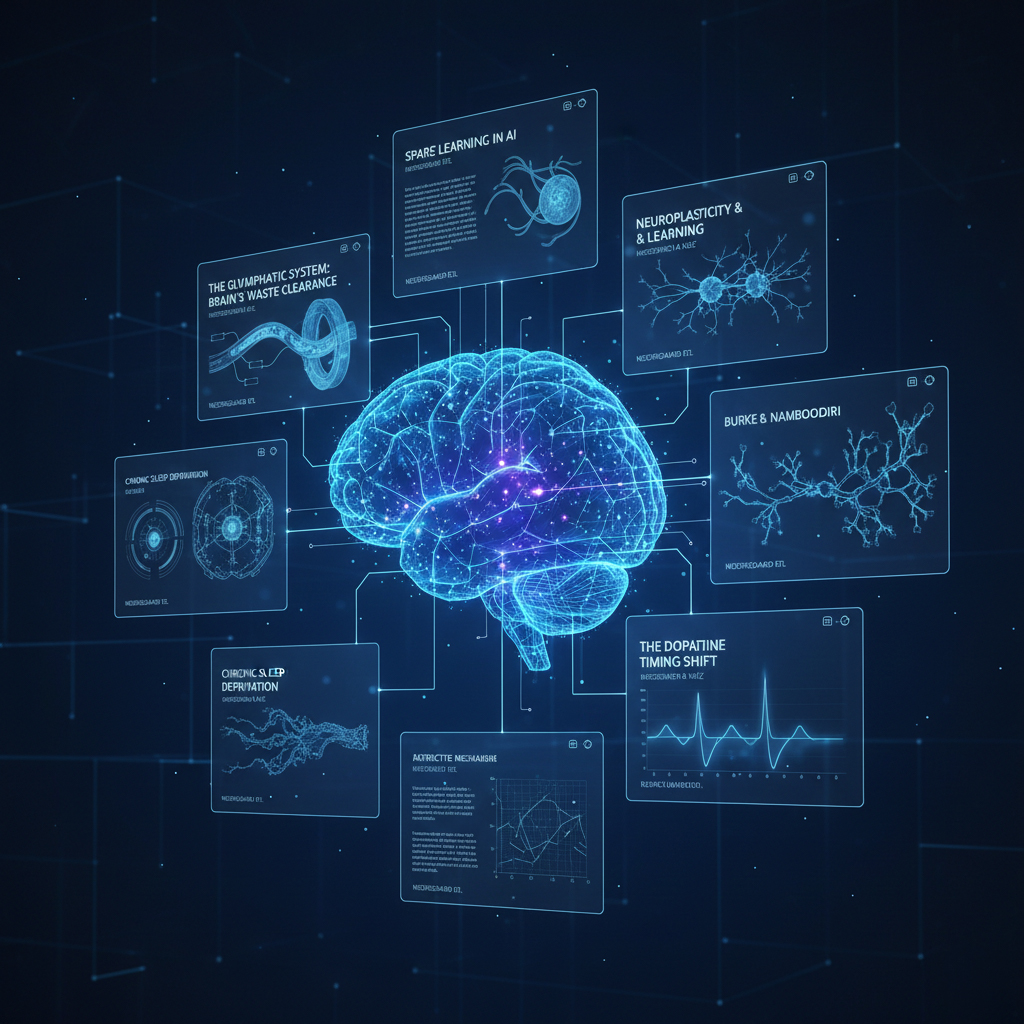
In this episode, we challenge the century-old belief that "practice makes perfect" by exploring a groundbreaking UCSF study that reveals that the brain actually "mutes" repetitive events to save energy. We dive into the fascinating world of dopamine neurons to see how our internal chemistry shifts from counting rewards to timing them, effectively turning our brains into "rare event detectors." Finally, we discuss how these findings explain the failure of "cramming" in education and how they coul
Recent Episodes
3
March 1, 2026
Two New Breakthroughs Advance Neurological Disorders and Cancer Research
UC San Francisco researchers Daniele Canzio and Balyn Zaro have been named the 2026 Bowes Biomedical Investigator awardees for their separate breakthroughs in neurological and cancer research. Canzio’s team discovered that DNA can fold into billions of unique, origami-like patterns to create individual "barcodes" for neurons, a finding that could lead to new treatments for disorders like autism and Alzheimer’s. Meanwhile, Zaro’s work identified how cancer cells manipulate immune cells to promote
2
Feb. 25, 2026
Decoding Parkinson’s Patients’ Movements in the Real World
Researchers at UC San Francisco have successfully used fully implanted devices to record and identify the unique brain activity patterns associated with walking in Parkinson’s patients during their everyday activities at home. By syncing neural data with wearable sensors, the team demonstrated that these "neural signatures" can reliably distinguish walking from other states in real-world environments, moving beyond the limitations of traditional laboratory settings. This breakthrough establishes
1
Feb. 22, 2026
The Brain May Learn More from Rare Events than from Repetition
In this episode, we challenge the century-old belief that "practice makes perfect" by exploring a groundbreaking UCSF study that reveals that the brain actually "mutes" repetitive events to save energy. We dive into the fascinating world of dopamine neurons to see how our internal chemistry shifts from counting rewards to timing them, effectively turning our brains into "rare event detectors." Finally, we discuss how these findings explain the failure of "cramming" in education and how they coul